
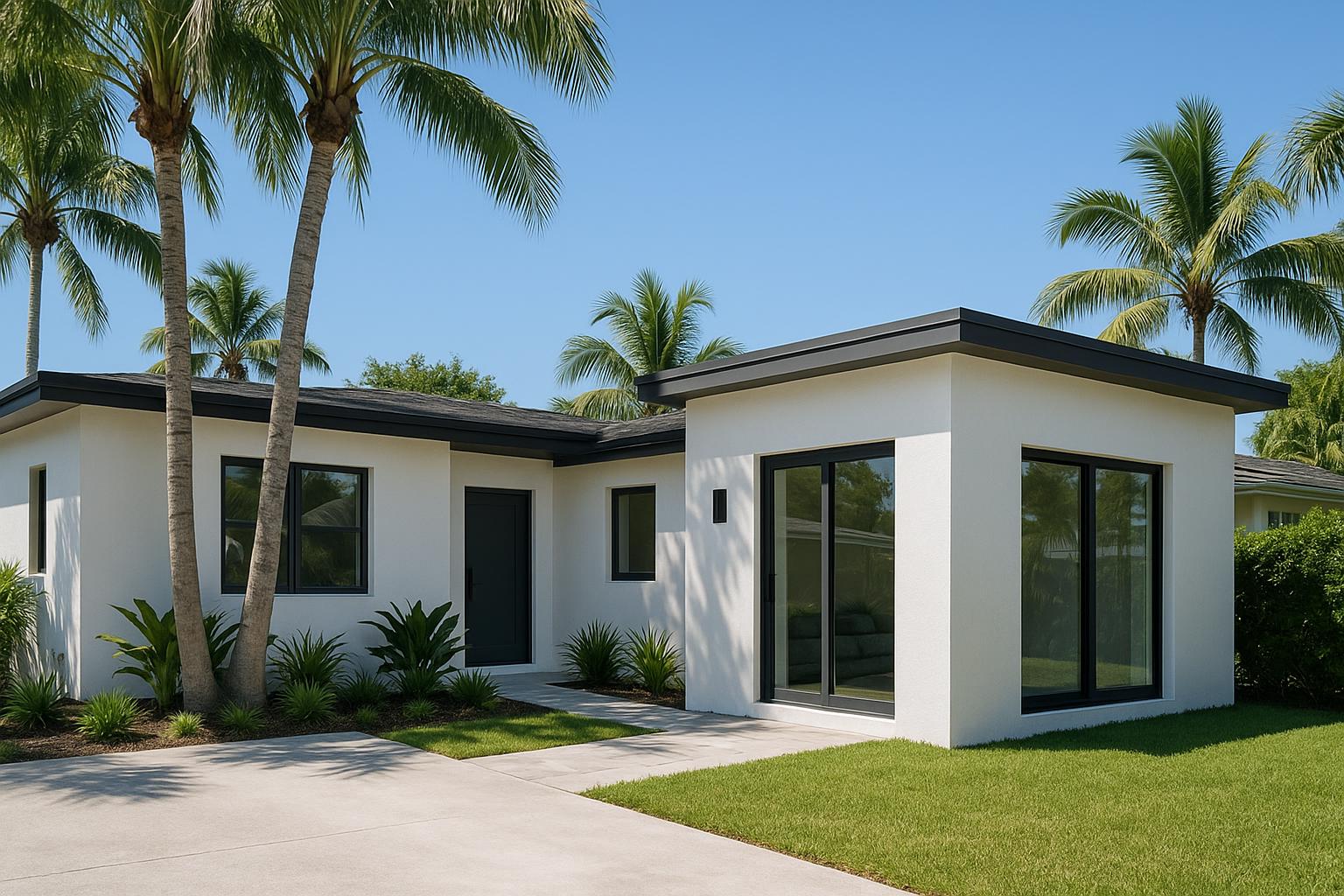
Why Room Additions Are Booming in Miami
Miami's real estate market has made one thing abundantly clear: moving is expensive. Between rising home prices, competitive bidding wars, and the emotional cost of uprooting your family, more homeowners are choosing to expand the homes they already love rather than start over somewhere new.
A well-planned room addition can give you the extra bedroom, home office, or expanded living space you need — all while increasing your property value. But in a city like Miami, where building codes are strict, weather conditions are demanding, and permitting can feel like a maze, the planning phase is everything.
At Revival Room Addition, we've guided countless Miami homeowners through this process. Here's what you need to know before you break ground.
Step 1: Define Your Goals Before You Design
Before you start browsing Pinterest or calling contractors, take time to clarify exactly what you need. Ask yourself these questions:
- What problem am I solving? Do you need a guest bedroom, a larger kitchen, a dedicated workspace, or a mother-in-law suite?
- How will this addition affect daily life? Think about traffic flow through your home, natural light, and how the new space connects to existing rooms.
- What's my realistic budget? Room additions in South Florida typically range from $150 to $400 per square foot depending on complexity, finishes, and structural requirements.
- Am I planning to sell in the next few years? If so, focus on additions that offer the highest return on investment, like extra bedrooms or expanded living areas.
Having clear answers to these questions will save you time, money, and frustration once the project begins.
Step 2: Understand Miami's Permitting and Code Requirements
This is where many homeowners get tripped up. Miami-Dade County has some of the most rigorous building codes in the country, and for good reason — we live in a hurricane zone. Every room addition must meet the Florida Building Code, which includes specific requirements for:
- Wind resistance: Structural elements must withstand high wind loads, which affects everything from roof connections to window specifications.
- Impact-rated openings: New windows and doors in your addition will likely need to be impact-rated or protected by approved shutters.
- Setback requirements: Your local zoning code dictates how close you can build to your property lines, which directly impacts the size and placement of your addition.
- Flood zone compliance: Many Miami neighborhoods fall within FEMA flood zones, which may require elevated foundations or specific construction methods.
Pulling permits without understanding these requirements can lead to failed inspections, costly redesigns, or even orders to tear down completed work. A reputable contractor will handle the permitting process for you, but it's wise to understand the basics so you can ask informed questions.
Step 3: Choose the Right Contractor (and Know What to Look For)
Your contractor will make or break this project. Here's what to look for when hiring a room addition specialist in Miami:
- Proper licensing: Florida requires general contractors to hold a state-issued license. Verify it through the Florida Department of Business and Professional Regulation.
- Local experience: A contractor who has built additions in Coral Gables, Kendall, Hialeah, or Miami Beach will understand the nuances of local permitting offices and inspection processes.
- A detailed written estimate: Avoid contractors who give vague quotes. You should receive a line-item breakdown covering demolition, structural work, electrical, plumbing, HVAC, finishes, and permits.
- References and a portfolio: Ask to see completed projects similar to yours. Better yet, ask if you can speak with past clients about their experience.
- Clear communication: The best contractor in the world is useless if they don't return your calls. Pay attention to responsiveness during the bidding phase — it's a preview of what the project will be like.
Step 4: Plan for the Hidden Costs
Every room addition comes with expenses that aren't immediately obvious. Planning for them upfront will prevent budget shock later:
HVAC Expansion
Your existing air conditioning system may not have the capacity to cool an additional room, especially in Miami's intense summer heat. You might need a larger unit or a supplemental mini-split system.
Electrical Panel Upgrades
Older homes in neighborhoods like Coral Gables and Hialeah often have electrical panels that can't support the additional load of a new room. Upgrading your panel is a common — and necessary — added expense.
Matching Existing Finishes
Getting your new addition to look like it was always part of the house requires careful attention to roofline integration, exterior finishes, and interior details like flooring transitions and trim work. This craftsmanship takes time and skill.
Landscaping Restoration
Construction equipment and material staging will likely impact your yard. Budget for landscaping repairs or improvements once the build is complete.
Step 5: Set a Realistic Timeline
In Miami, a straightforward room addition typically takes between three and six months from permit approval to final inspection. However, several factors can extend that timeline:
- Permitting delays: Miami-Dade County permitting can take several weeks, sometimes longer depending on the complexity of your project and current backlog.
- Weather interruptions: Hurricane season runs from June through November, and heavy summer rains can slow exterior work.
- Material lead times: Custom windows, cabinetry, and specialty materials may require advance ordering.
- Inspection scheduling: Multiple inspections are required throughout the build, and scheduling delays can add days or weeks.
The best way to stay on schedule is to finalize all design decisions before construction begins. Mid-project changes are the number one cause of delays and budget overruns.
Making Your Addition Feel Like Home
The most successful room additions don't feel like additions at all. They feel like a natural extension of your home. This comes down to thoughtful design — matching roof pitches, aligning floor levels, continuing architectural details, and ensuring the new space gets the same quality of light and ventilation as the rest of the house.
At Revival Room Addition, we specialize in creating seamless expansions that look and feel intentional. Whether you're adding a sunlit master suite in Doral or building out a family room in Kendall, we manage every detail from initial design through final walkthrough.
If you're considering a room addition in Miami, the best first step is a conversation. Reach out to our team for a consultation, and let's talk about how to make your home work better for the way you live today.