
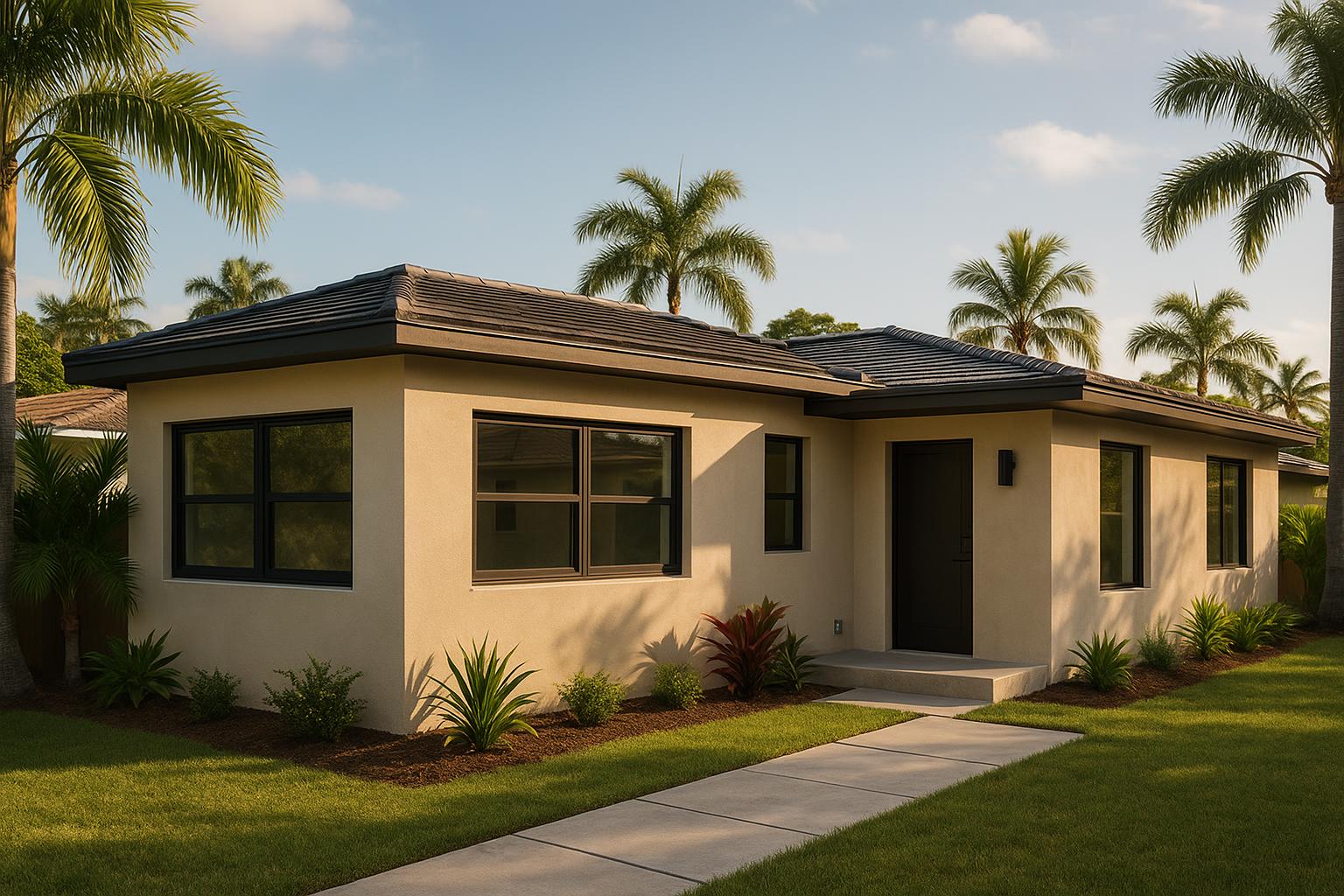
Why Room Additions in Miami Require Extra Planning
Adding a new room to your home is one of the most exciting—and most complex—remodeling projects you can take on. In Miami, that complexity goes up a notch. Between strict building codes designed for hurricane resistance, a permitting process that can catch homeowners off guard, and weather patterns that can stall outdoor work for days at a time, a room addition here demands more forethought than it might in other parts of the country.
The good news? With the right planning, you can avoid the most common pitfalls and enjoy a smooth build from start to finish. Whether you're expanding your living space in Coral Gables, adding a guest suite in Kendall, or building out a home office in Doral, this guide will walk you through the steps that matter most.
Step 1: Define the Purpose Before You Pick a Design
Before you start browsing Pinterest boards or calling contractors, get clear on why you need the extra space. The purpose of your addition will shape every decision that follows—from the foundation type to the mechanical systems required.
- Growing family: A new bedroom or playroom may need to meet specific egress and ventilation codes.
- Home office: You'll want dedicated electrical circuits, good insulation for sound, and possibly a separate entrance.
- In-law suite: Plumbing for a kitchenette or bathroom adds cost and permitting requirements.
- Entertainment space: Open layouts may require engineered beams and upgraded HVAC capacity.
Knowing your end goal up front prevents expensive mid-project changes—the number one cause of budget overruns in residential construction.
Step 2: Understand Miami-Dade Permitting Requirements
Miami-Dade County has some of the most rigorous building codes in the United States, largely because of hurricane preparedness standards. Any structural addition to your home will require a building permit, and the review process can take anywhere from a few weeks to several months depending on the scope.
What You'll Typically Need
- A site survey to confirm your property boundaries and setback requirements.
- Architectural plans stamped by a licensed engineer or architect, showing structural details, wind-load calculations, and compliance with the Florida Building Code.
- A Notice of Commencement filed with the county before work begins.
- Multiple inspections at key stages—foundation, framing, electrical, plumbing, and final.
Skipping or underestimating any of these steps is the fastest way to introduce delays. A qualified remodeling contractor who works regularly in Miami will handle the permit process on your behalf and know exactly what the county expects at each inspection.
Step 3: Design for Miami's Climate
A room addition isn't just about square footage—it has to perform well in South Florida's heat, humidity, and storm season. Cutting corners on climate-appropriate design leads to mold, energy waste, and premature material failure.
Key Climate Considerations
- Impact-rated windows and doors: Required by code in Miami-Dade County and essential for protecting your investment during hurricane season.
- Proper insulation and vapor barriers: Miami's humidity can wreak havoc inside wall cavities if moisture isn't managed correctly.
- HVAC capacity: Your existing air conditioning system may not be sized to handle the additional square footage. A load calculation should be part of the planning phase.
- Roof tie-ins: Connecting a new roof to an existing one requires careful flashing and waterproofing, especially given the volume of rain Miami receives from May through October.
These aren't optional upgrades—they're the baseline for a room addition that will last decades in this climate.
Step 4: Set a Realistic Budget (and Build in a Cushion)
Room additions in South Florida typically range from $150 to $350 per square foot, depending on the complexity. A basic bedroom addition sits at the lower end, while a fully plumbed in-law suite with custom finishes will be at the higher end or above.
Here's a rough breakdown of where your money goes:
- Foundation and structural work: 25–30%
- Mechanical systems (electrical, plumbing, HVAC): 15–20%
- Exterior envelope (roofing, windows, siding): 15–20%
- Interior finishes (flooring, paint, cabinetry): 20–25%
- Permits, design, and engineering: 10–15%
We always recommend setting aside an additional 10–15% as a contingency fund. Older homes in neighborhoods like Miami Beach and Hialeah sometimes reveal surprises behind walls or under foundations that need to be addressed before new construction can proceed.
Step 5: Choose a Contractor Who Knows the Local Process
This might be the most important step of all. A room addition involves coordinating multiple trades—concrete, framing, roofing, electrical, plumbing, HVAC, drywall, and finishing—under a single timeline. One missed inspection or one subcontractor who doesn't show up can cascade into weeks of delays.
When evaluating contractors, ask these questions:
- Are you licensed and insured to perform structural work in Miami-Dade County?
- Do you handle the permitting process, or is that my responsibility?
- Can you provide references from recent room addition projects in the area?
- How do you manage the schedule during rainy season?
- What's included in your written contract, and how are change orders handled?
At Revival Room Addition, we manage every phase of the process—from initial design consultation through final inspection—so homeowners can focus on the exciting parts instead of the paperwork.
Step 6: Plan the Timeline Around Miami's Weather
Timing matters more than most people realize. If your project involves foundation work, framing, or roofing, those phases are weather-dependent. Starting a room addition in November or December gives you the best chance of completing exterior work during the dry season, which runs roughly from November through April.
That said, experienced contractors build weather contingencies into their schedules year-round. The key is honest communication about what's realistic. A contractor who promises a six-week timeline for a full room addition during peak hurricane season is either cutting corners or setting you up for disappointment.
The Bottom Line
A well-planned room addition adds livable space, increases your home's value, and improves your daily quality of life. In Miami, the path to getting there just requires a bit more attention to local codes, climate realities, and the right professional team.
If you're considering adding space to your home anywhere in the Miami area—from Coral Gables to Doral and everywhere in between—we'd love to help you think through the details. Contact Revival Room Addition for a free consultation, and let's start turning your vision into a plan that actually works.